
Best Anime Mousepads 2026: Buyer's Guide
February 9, 2026
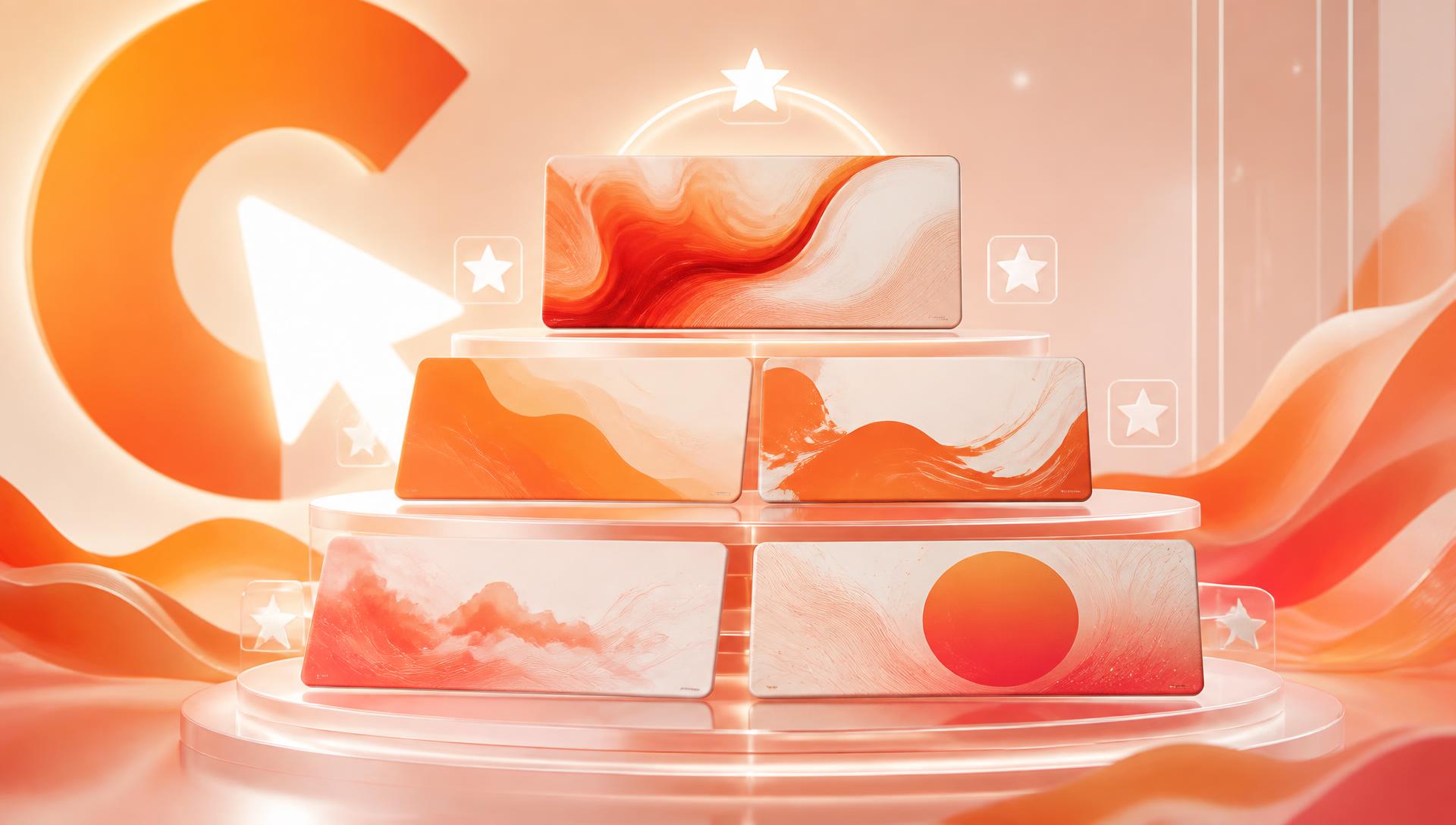
Anime mousepads range from cheap heat-sealed prints that fade in a month to museum-quality cloth deskmats that hold color for years. This guide covers what actually separates good anime mousepads from bad ones, the legal basics of licensed art versus fan art versus your own design, and which sizes and art styles work best for a real desk setup.
Anyone shopping for an anime mouse mat right now is choosing between three real categories, not a wall of near-identical listings. Knowing which category a pad falls into tells you almost everything about how it will look and how long it will last.
The 3 categories of anime mousepads
Mass-market print-on-demand. Thousands of near-identical storefronts pull the same stock images, print them on the cheapest available blank, and ship. Print quality is a lottery because the underlying source image is often low-resolution fan art scraped from the internet and stretched to fit a large pad.
Licensed merch. Official studio or publisher-approved prints of a specific series. Art direction is controlled, so quality floors are higher, but selection is limited to whatever the license holder has approved, and prices reflect the licensing fee, not just the printing cost.
Custom AI-designed. You generate or refine the artwork yourself — your favorite character, your own composition, your own color palette — and it's printed to order on a stitched-edge cloth pad. Quality depends entirely on the print pipeline behind the platform, not on a factory you never see. This is the category CursorCulture's AI design studio sits in.
None of these categories is automatically "best." A licensed print of a series you love beats a mediocre custom job. A well-made custom design beats a blurry, off-center licensed print. The category just tells you what to check.
What separates a good anime pad from a cheap one
Print resolution
Anime art lives or dies on linework — clean outlines, flat color fields, sharp hair strands. Low-resolution source files stretched across an XXL or XXXL surface show it immediately: soft edges, muddy line art, visible pixel blur around character outlines. A pad printed from a properly upscaled or native high-resolution file keeps lines crisp edge to edge. If you're designing your own, see our breakdown of how resolution and DPI decide print quality.
Color gamut on cloth
Screens emit light; printed cloth reflects it. Anime art leans heavily on saturated neons — magenta hair, cyan highlights, pure black outlines — and those are exactly the colors that shift most when converted from a screen's RGB gamut to a printer's more limited range. A good print pipeline compensates for this before printing. A bad one just prints the file as-is and lets the colors go flat or muddy. We go deeper on this in our sublimation printing explainer.
Edge stitching
Anime pads get used hard — high sensitivity swipes, corner-to-corner drags for aim training. A heat-sealed edge (glossy, perfectly flat, no visible thread) starts fraying within months. A stitched edge (visible thread loop, slightly raised border) holds for years. This one detail is the single best predictor of how long a pad survives daily use. Full details in why stitched edges matter.
Base grip
The rubber base needs to grip the desk without sliding, and it needs to sit flat without curling at the corners. Thin, cheap rubber curls after a few weeks rolled in shipping and never fully flattens again.
Size for the artwork
A tall character portrait works on a compact XL pad. A wide scene — a full squad, a landscape, a horizontal banner composition — needs the extra width of an XXL or XXXL to avoid cropping the art awkwardly around your keyboard and mouse.
Anime mousepad comparison table
| Category | Art selection | Typical print quality | Price driver | Best for |
|---|---|---|---|---|
| Mass-market print-on-demand | Huge, unpredictable | Inconsistent — depends on source file | Race-to-the-bottom pricing | Budget buyers willing to gamble |
| Licensed merch | Limited to approved series | Controlled, generally high | Licensing fees | Fans who want an exact official scene |
| Custom AI-designed | Unlimited — your own concept | Consistent if the print pipeline is good | Design + print process | Anyone who wants a specific character, pose, or original composition |
Art styles that print well vs. badly
Prints well:
- Bold flat-color anime/cel-shading styles with clear outlines
- High-contrast compositions (dark background, bright character)
- Simplified backgrounds that don't compete with the subject
- Designs with a clear focal point sized to sit near the mouse/keyboard zone
Prints badly:
- Extremely fine linework or tiny text meant for a phone screen, not a 900mm-wide surface
- Subtle gradient skies or skin tones with almost no contrast — these are the first thing sublimation gamut shifts flatten out
- Busy, edge-to-edge detail with no breathing room — everything competes for attention once it's under your keyboard
- Pure neon-on-neon color combinations pushed to the absolute edge of the color space, which are the hardest colors for any printer to reproduce exactly as seen on screen
Licensed art, fan art, and your own design: the plain-guidance version
This isn't legal advice, just the practical shape of the issue. A specific character or scene from a copyrighted series belongs to its rights holder. Officially licensed merch has permission built in. Fan art posted online by an artist is that artist's work, and using it commercially without permission is a different situation than using it for a personal desk pad you're not reselling. If you're designing your own artwork — an original character, your own composition, or art you generate and iterate on yourself — you avoid most of that gray area entirely because you're not reproducing someone else's protected work. When in doubt, keep it personal-use and original rather than a 1:1 recreation of a specific licensed scene you intend to sell or publish elsewhere.
Size recommendations by setup
| Setup | Recommended size | Why |
|---|---|---|
| Compact desk, single 24" monitor | XL (800×300mm) | Fits without overhanging the desk edge |
| Standard desk, 27–32" monitor | XXL (900×400mm) | Room for full keyboard + mouse swipe with margin for the art |
| Ultrawide or dual-monitor | XXXL (1200×600mm) | Enough width for a wide scene composition without cropping |
For most anime desk setups, XXL is the sweet spot — enough surface for a portrait or medium scene without dwarfing a standard desk. See the full XL vs XXL vs XXXL size breakdown if you're unsure.
Where to buy an anime mousepad
Buying an anime XXL deskmat comes down to matching the category to what you actually want. If you want a specific official scene, look for licensed merch. If you want your character, in your pose, at the exact size your desk needs, a custom AI-designed pad built from your own reference or prompt is the only category that gets you there — no waiting on a license to cover the series you like, no settling for whatever's in stock.
Care basics
Anime pads with sublimated prints hold color for years if you avoid a few common mistakes: never fold (always roll), never clean with bleach or alcohol (plain water and mild soap only), and never store rolled up near a heat source. The full routine is in our anime deskmat care guide.
Related reading
- How to Choose an Anime Deskmat for Your Setup
- Anime Desk Setup Ideas: 12 Directions That Work
- Artisan Mousepad Guide: What the Premium Tier Means
FAQ
What makes an anime mousepad good quality?
High print resolution relative to the pad's physical size, accurate color reproduction on cloth (especially for neons and blacks), stitched rather than heat-sealed edges, and a rubber base that lies flat without curling. Any one of these being weak shortens the pad's useful life or makes the art look soft.
Is it legal to put anime art on a mousepad?
Officially licensed merch has permission built in. Reproducing a specific copyrighted character or scene for personal use is lower-risk than reselling it, but using someone else's fan art or a studio's exact scene commercially can infringe on rights you don't hold. Designing original artwork, or your own take on a character, avoids most of that risk.
What size anime deskmat should I get?
XXL (900×400mm) fits most standard desks with a 27–32" monitor and gives enough room for a portrait or medium scene. Go XL for compact desks, XXXL for ultrawide or dual-monitor setups needing a wide composition.
Why does my anime mousepad print look different from the image I picked?
Screens display color with emitted light (RGB) and printers reproduce it with reflected dye on fabric, which has a smaller color range. Saturated neons and pure blacks are the first things to shift. A good print pipeline adjusts for this before printing; a bad one just prints the raw file.
Where can I buy a custom anime deskmat?
Custom AI-designed platforms let you generate or upload your own character art and print it on a stitched, sublimated cloth pad sized to your desk. This is the only route that guarantees you get the exact character and composition you want rather than whatever's currently licensed or in stock.
Do anime mousepad prints fade over time?
Sublimation-printed pads resist fading because the dye bonds into the fabric fibers rather than sitting on top as a coating. Heat-sealed, screen-printed budget pads fade and crack much faster because the ink sits on the surface and wears off with friction.
Design your own
If none of the licensed options match the character or scene you actually want, build it yourself. The CursorCulture studio lets you generate and refine anime artwork before it ever gets printed, sized to your exact desk in XL, XXL, or XXXL. Check pricing to see what a stitched-edge, dye-sublimated custom pad costs before you commit.
Keep going
Like this? Get the next one in your inbox.
New journal posts, prompt packs, and artist drops. No spam, ever.