
Anime Desk Setup Ideas: 12 Directions That Work
August 12, 2026
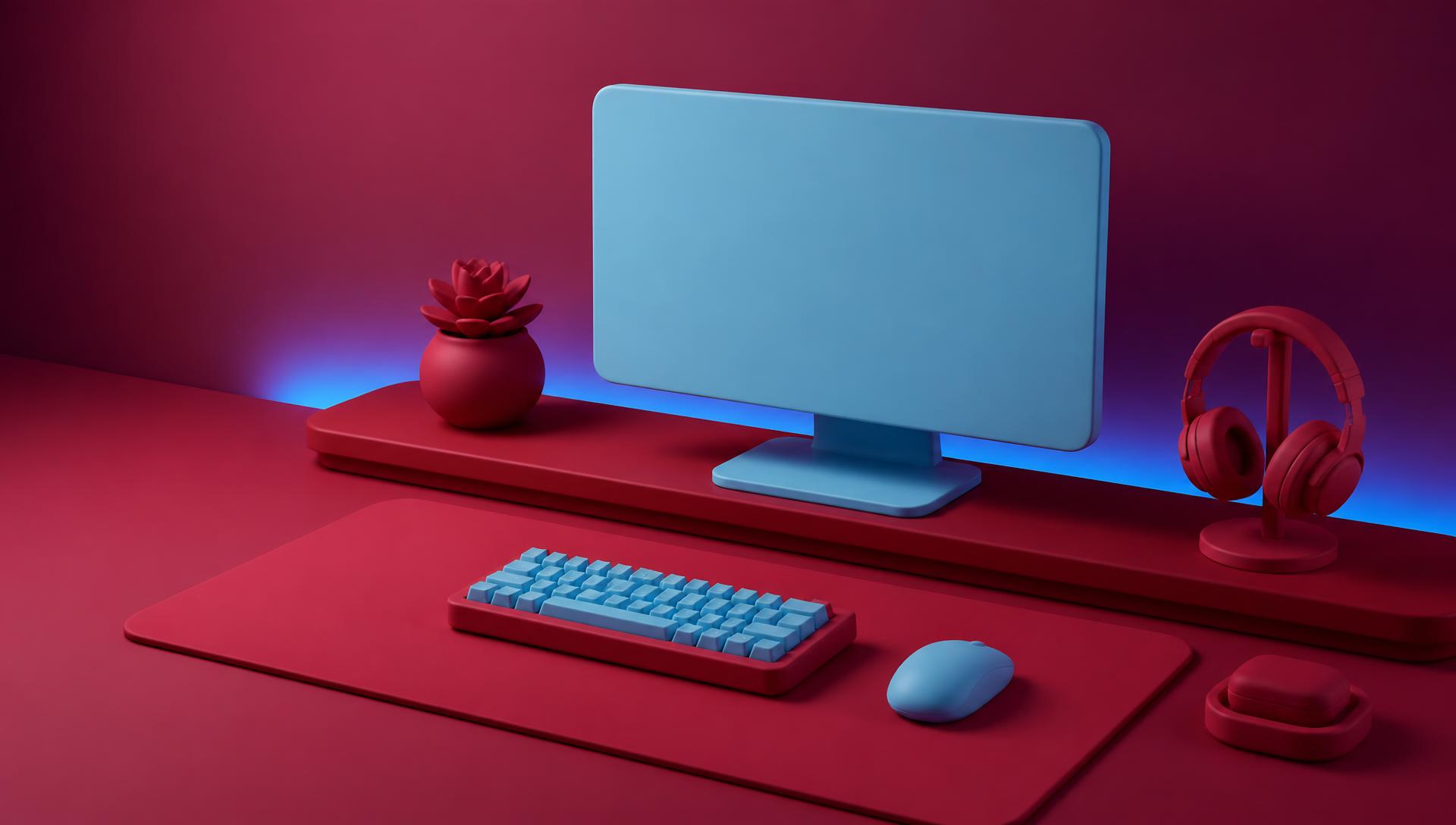
Anime desk setup ideas work best when you pick one visual direction and commit — palette, lighting, and display choices all pulling toward the same mood — instead of layering ten unrelated aesthetics on one desk. Below are 11 concrete directions you can copy, each with the palette, lighting temperature, and what to show or hide, plus how a deskmat ties the whole surface together.
A deskmat is the single largest fixed-color object on most desks, bigger than your keyboard, mouse, and monitor stand combined. That's why it should be the first decision in an anime aesthetic desk, not the last. Pick the mat, then match RGB, shelf items, and wall art to it — not the other way around.
Why the deskmat should anchor your otaku room ideas
Figures, posters, and LED strips are easy to swap on a whim. A deskmat is not something you replace every month, so it functions as the anchor color and anchor character for the whole zone. If you're building an anime gaming setup from scratch, choose the mat's dominant hues first, then buy accent lighting and small decor in those same 2-3 colors. This keeps a desk of a dozen mismatched items reading as one deliberate scene.
If you want the mat itself to be the star, read our guide on [choosing an anime deskmat for your setup](/blog/how-to-choose-anime-deskmat-for-your-setup) before you commit to a direction below.
10-12 setup directions
1. Color-LED sync
Palette: pick 2 dominant colors from your favorite character's palette (e.g., red/black, teal/purple). Lighting: RGB strips set to match, 6500K white key light for camera/work visibility. Display: one figure or poster in the same palette. Hide: cables in matching-color sleeves so they disappear rather than clash. The deskmat's dominant color becomes the RGB "seed" color for the whole room.
2. Single-character focal point
Palette: built entirely around one character's signature colors. Lighting: a single warm accent spot (2700K-3000K) aimed at a figure or art print of that character. Display: one large print, one figure, nothing else competing. Hide: everything unrelated — no other franchises visible in frame. The deskmat print should feature that same character so the mat and the focal display read as a matched pair.
3. Monochrome ink-wash
Palette: black, white, and grey only, sumi-e or manga-panel line art. Lighting: cool white 5000K-6500K, no colored RGB. Display: black-and-white manga panels, a single black keyboard, greyscale figures if you have them. Hide: any brightly colored packaging or boxes. A monochrome deskmat with linework art is the whole aesthetic in one object — keep everything else quiet around it.
4. Cyber-neon
Palette: magenta, cyan, deep purple/black base. Lighting: 6500K-8000K cool white base with magenta/cyan RGB accents, thin LED edge strips. Display: mecha or cyberpunk-style figures, angular monitor stand. Hide: warm-toned or wood-finish items — they break the synthetic feel. Choose a deskmat with a cyber/neon-style print so the mat's glow-in-the-dark or high-saturation colors match your strip lighting instead of fighting it.
5. Cosy shelf-forward
Palette: warm neutrals — cream, tan, sage, terracotta. Lighting: warm 2700K string lights or a small lamp, no cool white at all. Display: small figures, plants, mugs, and books arranged on a shelf above the desk, not on the desk itself. Hide: cables and tech bulk — tuck the PC under the desk. A softer-toned deskmat (pastel or muted palette) keeps the desk itself calm so the shelf becomes the visual interest.
6. Seasonal rotation
Palette: changes per season — sakura pink/green in spring, deep red/gold in autumn. Lighting: swap warm/cool bulbs seasonally to match. Display: rotate 2-3 small seasonal items (a wall scroll, a figure variant) instead of a full re-decorate. Hide: off-season decor in storage, not just pushed to a corner. This is the one direction where owning two deskmats pays off — swap the mat and half your "seasonal setup" is already done.
7. Minimalist collector
Palette: one neutral base (black, white, or grey) with a single accent color from one figure. Lighting: plain 4000K neutral white, no RGB. Display: one or two carefully lit figures behind glass or on a clean stand. Hide: almost everything — cables, extra peripherals, multiple monitors if possible. A solid-color or subtle-print deskmat keeps the desk from competing with the figure display, which is the actual focal point.
8. Dark academia x anime
Palette: deep browns, burgundy, forest green, brass accents. Lighting: warm 2700K lamp light, no LED strips. Display: books, a wall scroll with painterly (not flat-color) art, a brass or wood pen cup. Hide: plastic RGB peripherals — swap for black or wood-toned ones if you can. A painterly, muted-tone deskmat fits this direction far better than a bright flat-color anime print.
9. Pastel kawaii
Palette: pink, lavender, mint, baby blue. Lighting: warm-neutral 3000K-4000K, soft diffused LED panels rather than strips. Display: plushies, pastel keycaps, small trinkets. Hide: black or dark-toned tech — swap for white/pastel peripherals where budget allows. A pastel-palette deskmat is the anchor; everything else should sample directly from it.
10. Mecha/battle-scene
Palette: gunmetal grey, orange or red accent, black base. Lighting: cool 6000K with one orange accent light for contrast. Display: model kits, action figures in dynamic poses. Hide: anything soft or pastel — it undercuts the intensity. A high-detail action-scene deskmat gives you the "battle backdrop" without needing a poster wall behind the desk.
11. Budget-first eclectic
Palette: pick one color family (any 2-3 shades) so mismatched cheap finds still look intentional. Lighting: a single $15-20 LED strip in your chosen color — this does more visual work per dollar than any other purchase. Display: whatever figures/posters you already own, grouped by color rather than by series. Hide: nothing needs hiding — the point is working with what you have. One well-chosen deskmat instantly unifies a budget setup more than any other single item, because it's the largest surface and the cheapest way to set a palette for everything else.
12. Split-desk dual monitor
Palette: symmetric — same palette mirrored left/right, or a wide-format print that flows under both monitors. Lighting: even 4000K-5000K bias lighting behind both monitors so neither side reads brighter. Display: matching small items on each side (two figures, two plants) for visual balance. Hide: asymmetric cable runs — route both monitors' cables the same way. This is where an XXL or XXXL deskmat matters most: a mat sized for your full desk width keeps the palette continuous under both monitors instead of stopping under one. Check our size guide before buying for a dual-monitor desk.
Setup direction, palette, and lighting temperature
| Setup direction | Palette | Lighting temperature | Deskmat role |
|---|---|---|---|
| Color-LED sync | 2 character colors | RGB matched + 6500K work light | Sets the RGB seed color |
| Single-character focal | One character's colors | 2700K-3000K accent spot | Pairs with the featured art |
| Monochrome ink-wash | Black/white/grey | 5000K-6500K cool white | Is the entire aesthetic |
| Cyber-neon | Magenta/cyan/black | 6500K-8000K + neon RGB | Matches strip glow |
| Cosy shelf-forward | Cream/tan/sage | 2700K warm | Keeps desk calm under shelf |
| Seasonal rotation | Changes per season | Swap warm/cool with season | Fastest re-decorate item |
| Minimalist collector | One neutral + one accent | 4000K neutral | Stays out of the figure's way |
| Dark academia x anime | Brown/burgundy/brass | 2700K warm lamp | Muted, painterly tone-setter |
| Pastel kawaii | Pink/lavender/mint | 3000K-4000K diffused | Anchor for pastel accents |
| Mecha/battle-scene | Gunmetal/orange/black | 6000K + orange accent | Action backdrop |
| Budget-first eclectic | Any 2-3 shade family | Single colored LED strip | Cheapest unifying purchase |
| Split-desk dual monitor | Mirrored/wide palette | Even 4000K-5000K bias | Continuous surface under both monitors |
How to make an anime setup without overspending
Start with the deskmat and one light source — that's two purchases that touch the whole desk. Add figures or posters only after those two are set, since they're now easy to color-match instead of guessing. If you're not sure where to start visually, look at top anime characters for a mousepad setup for palette inspiration tied to specific characters.
What to display vs. what to hide, regardless of direction
Display the 1-3 items that took the most effort or money to get — a figure, a signed print, a rare card. Hide everything utilitarian: chargers, spare cables, paperwork, and packaging. A cluttered desk reads as messy even with great decor; a sparse desk with 2-3 well-lit focal items reads as curated even on a budget.
FAQ
What's the cheapest way to start an anime desk setup?
A deskmat and a single colored LED strip are the two highest-impact, lowest-cost purchases — together they set a palette that makes everything else look intentional, even secondhand or mismatched items.
Should my deskmat match my keyboard or my wall art?
Match the deskmat to your keyboard/case colors first since they sit together in every photo and every session. Wall art and shelf decor are easier to swap later to match the mat.
Is a busy, detailed anime print bad for gaming?
For high-DPI or trackball use it rarely matters, but for low-DPI, sensor-heavy tracking, a busier print can add minor visual noise. See our anime deskmat colour guide for the tracking-vs-art tradeoff.
What lighting temperature works for most anime setups?
3000K-4000K warm-neutral is the safest general choice — it flatters most palettes and doesn't wash out colored RGB accents. Save 6500K+ cool white for monochrome or cyber-neon directions specifically.
Do I need an XXL deskmat for these setups to work?
No — several directions (minimalist collector, single-character focal) work fine on a standard mousepad. Dual-monitor and shelf-forward setups benefit most from XL/XXL sizing since the mat needs to visually span more of the desk.
How often should I change my anime desk setup?
There's no fixed schedule — seasonal rotation direction aside, most people refresh every 6-12 months when a new favorite series or figure comes along. Keeping the deskmat as a stable anchor makes these refreshes cheaper since you're not re-buying the whole palette each time.
Ready to put one of these directions into practice? Head to the studio and generate a deskmat in the exact palette your setup needs — describe the mood, colors, and character, and build the anchor piece first.
Keep going
Like this? Get the next one in your inbox.
New journal posts, prompt packs, and artist drops. No spam, ever.