
How to Care for a Mouse Pad: Full Maintenance Guide
August 8, 2026
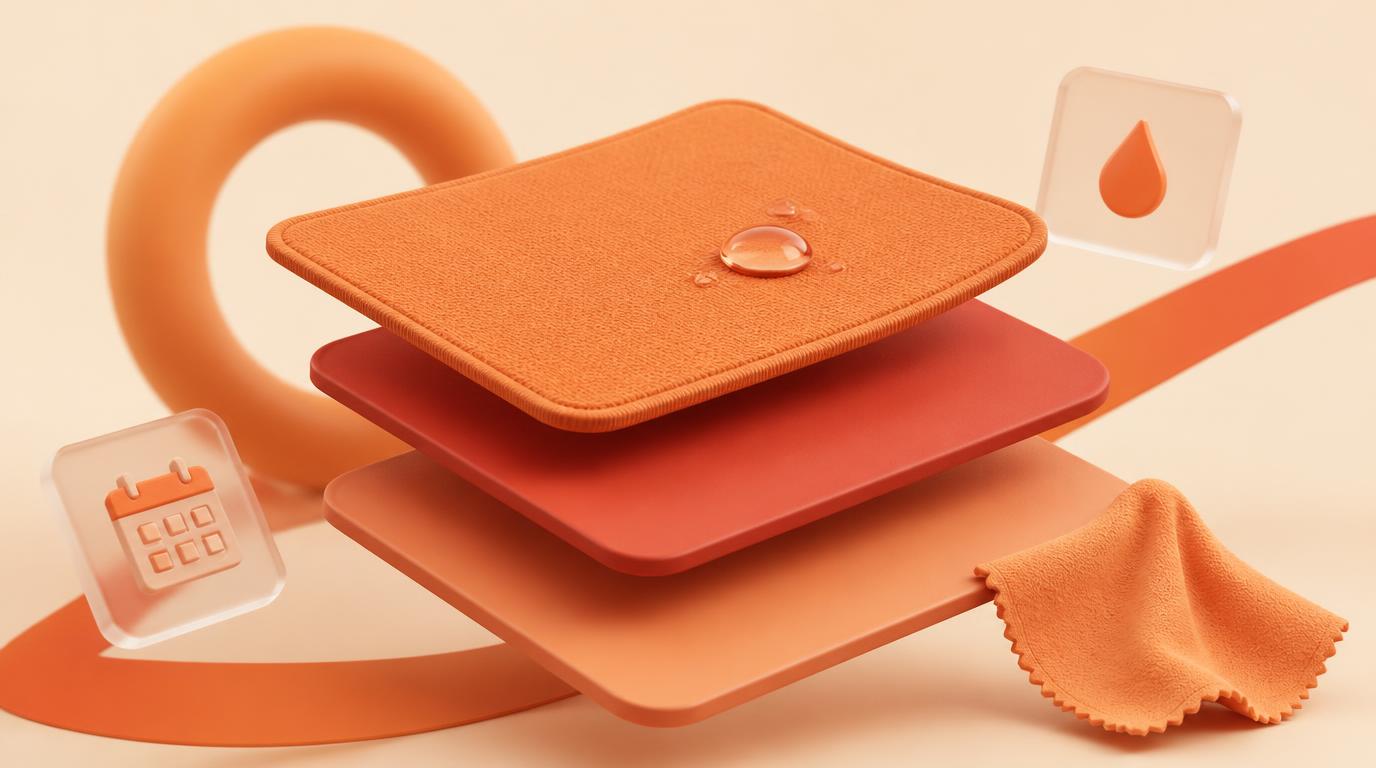
Caring for a mouse pad comes down to a simple baseline regardless of surface type: keep it dry between uses, clean it monthly with warm water and mild soap, avoid heat and harsh chemicals, and store it rolled rather than folded. That baseline works whether you're running a plain cloth pad, a hard plastic mat, a hybrid stitched-edge deskmat, or a leather/PU surface — the materials differ, but the failure modes (grime buildup, heat damage, crushed edges) are the same across all of them.
This article is the general starting point. If you already own a printed cloth deskmat and want print-specific detail on fading and shipping creases, see the deeper anime deskmat care guide. If you just want the fastest correct wash method, jump to how to clean a mouse pad. Everything below is the "why" and the schedule that ties those steps together.
The four mousepad surface types, and how care differs
Cloth pads (including stitched-edge deskmats) are fabric bonded to a rubber base. They're the most forgiving to clean with soap and water but the most sensitive to heat and folding.
Hard pads are plastic or aluminum with a coated surface. They can't absorb liquid the way cloth can, so spills sit on top — good for quick wipe-downs, but scratches show more visibly than on cloth.
Hybrid pads combine a smoother, low-friction coating over a cloth or foam base, aiming for a middle ground between glide and control. Treat the surface gently, since the coating is thinner than a full cloth weave and can wear through with abrasive cleaning.
Leather and PU pads should never be soaked. Water sitting on a PU or leather surface can cause cracking or peeling over time, so these need a barely-damp cloth rather than a wash.
Knowing which category your pad falls into changes exactly how much water and pressure is safe — everything else in this guide assumes you've matched the method to the material.
A simple weekly, monthly, quarterly schedule
You don't need a strict regimen, but a default cadence keeps grime from ever building up enough to need aggressive cleaning:
Weekly: Wipe the surface with a dry microfiber cloth to lift dust, crumbs, and loose hair. This alone prevents most of the dullness people mistake for fading.
Monthly: Do a proper clean — damp wipe or full wash depending on your surface type (see the breakdown above and the step-by-step in how to clean a mouse pad). This is also the moment to check the mouse-travel zone for shine or flattening.
Quarterly: Inspect the whole pad for edge fraying, base grip loss, and stains that didn't come out in the monthly clean. If you've got more than one pad in rotation, this is a good time to swap which one takes daily use so wear spreads evenly.
Sticking to this rhythm is less work overall than waiting for a pad to look visibly dirty and then needing a longer, harder clean to fix it.
What household products are actually safe
Plain warm water and a small amount of mild dish soap handles the vast majority of dirt, sweat residue, and skin oil on any cloth or hybrid pad. That's genuinely all most people need.
Avoid bleach, ammonia-based glass cleaners, alcohol wipes, and all-purpose sprays. They're built to break down oils and residue aggressively, and on a mousepad that means stripping print color, degrading rubber, or clouding a hard pad's coating faster than normal wear would. For leather or PU surfaces, skip soap entirely and use a barely damp cloth, since prolonged moisture is the main cause of cracking on those materials.
If you're dealing with a fresh spill, blot immediately rather than wiping — wiping spreads liquid outward into dry fabric that didn't need to get wet in the first place.
Common mistakes that shorten a pad's life
Folding instead of rolling. A fold creates a permanent crease line and, on rubber-backed pads, can crack the base right along that line. Roll for storage or travel instead.
Machine washing or drying. Washing machines agitate too aggressively for stitched edges and printed cloth, and dryers apply heat that warps rubber bases. Hand-wash and air-dry only.
Letting a pad dry rolled up. A pad rolled while still damp can develop a mildew smell that's difficult to remove afterward. Always let it air-dry flat or hanging for a full 12-24 hours before rolling it up.
Ignoring the mouse-travel zone. Skin oil and dust concentrate wherever your palm and wrist rest, and that's the spot most likely to smell or feel sticky first. It needs more frequent attention than the rest of the surface.
Storing near heat. Radiators, sunny windowsills, and car interiors soften rubber bases and accelerate fading on any dyed surface. Keep pads at room temperature out of direct sun.
Using a new pad without letting it settle. Pads shipped rolled can arrive with a curl. Forcing it flat with heavy objects immediately, or ignoring it and hoping your mouse tracks fine anyway, both cause more frustration than letting it rest properly — see how to flatten a new mousepad for the correct method.
Do's and don'ts at a glance
| Do | Don't |
|---|---|
| Wipe weekly with a dry microfiber cloth | Let dust and oils build up between cleans |
| Clean monthly with warm water and mild soap (cloth/hybrid) | Soak leather or PU surfaces |
| Roll the pad for storage or travel | Fold it, which cracks the rubber base |
| Air-dry fully before storing | Roll it up while still damp |
| Keep it at room temperature, out of direct sun | Store it near a radiator or sunny window |
| Blot spills immediately | Wipe and spread a fresh spill |
| Hand-wash gently | Machine wash or tumble dry |
How long a mousepad should actually last
A well-made pad with regular care typically lasts a few years of daily use. The surface — whether cloth weave, hard coating, or PU layer — is almost always the first thing to visibly wear, showing as shine, flattening, or reduced grip in the mouse-travel zone well before any printed design fades. Thicker pads with stitched edges tend to hold their shape longer than thin unstitched mats, since the stitching keeps the rubber base from separating from the surface layer at the corners.
If you're shopping for a replacement, thickness and size both affect how a pad wears day to day — the XL/XXL/XXXL size guide breaks down which size fits which desk setup, and a 4mm stitched-edge deskmat with sublimation printing built through the studio tends to outlast thinner promotional pads simply because the materials are heavier duty from the start. Compare options on the pricing page if you're weighing sizes.
Related reading
- How to Clean a Mouse Pad
- How to Care for an Anime Deskmat
- How to Flatten a New Mousepad
- XL/XXL/XXXL Deskmat Size Guide
FAQ
How often should I clean a mouse pad?
Wipe it weekly with a dry microfiber cloth and do a full clean monthly, more often if you use it daily in a hot or humid room. A quick weekly wipe is what actually prevents grime from building up enough to need a harder scrub later.
Can I put a mouse pad in the washing machine?
No. Machine washing agitates stitched edges and printed cloth too aggressively, and the spin cycle can warp or separate the rubber base. Hand-wash with warm water and mild soap instead.
Is it safe to clean a leather or PU mouse pad the same way as cloth?
No. Soaking leather or PU surfaces can cause cracking or peeling over time. Use a barely damp cloth for these instead of a full wash, and dry it immediately afterward.
What's the difference in caring for a hard pad versus a cloth pad?
Hard pads can be wiped down quickly since they don't absorb liquid, but scratches show more visibly. Cloth pads handle soap-and-water washing well but need full air-drying time and are more sensitive to heat and folding.
Why does my mouse pad feel sticky even after wiping it down?
That's usually skin oil built up in the mouse-travel zone, which a dry wipe alone won't fully lift. It needs an actual wash with warm water and mild soap, followed by a complete rinse so no soap film is left behind.
Should I roll or fold my mouse pad for storage?
Always roll it. Folding creates a permanent crease and can crack a rubber base right along the fold line, while rolling keeps the pad's shape intact indefinitely.
How long should a mouse pad last with good care?
A well-made pad typically lasts a few years of daily use before the surface shows wear like flattening or reduced grip. Thicker, stitched-edge pads generally outlast thin unstitched mats because the construction holds up better at the edges over time.
Ready for a pad built to actually last? [Design your own custom mousepad in the studio](/studio) and pick a size and finish that fits how you actually use your desk.
Keep going
Like this? Get the next one in your inbox.
New journal posts, prompt packs, and artist drops. No spam, ever.